
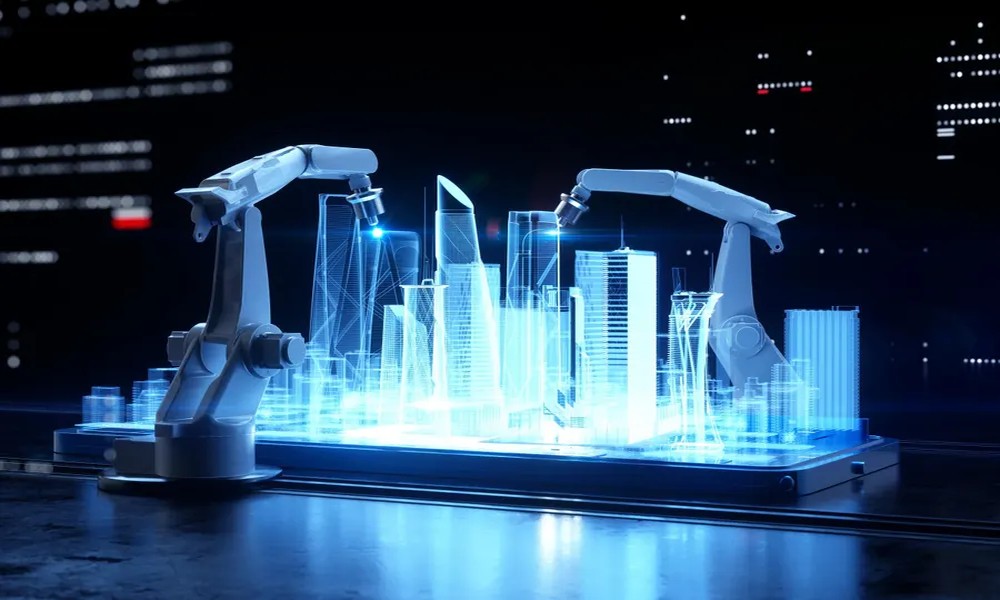

The concept of digital twins has revolutionised the way industries and cities operate, providing unprecedented insights and control through real-time data and simulations. At the core of digital twin technology lies the power of analytics, which not only captures the current state of systems but also predicts future outcomes, helping to optimise performance. In manufacturing and urban planning, digital twins are revolutionising decision-making, maintenance, resource optimisation, and infrastructure management. Whether you’re working on a factory floor or reshaping city skylines, understanding the analytical backbone of digital twins can unlock opportunities for smarter, more sustainable operations.
Digital twins are virtual replicas of physical systems, continuously updated through real-time data collected via sensors and IoT devices. Analytics bridges the gap between raw data and actionable intelligence, transforming twin models from static simulations into dynamic tools that evolve in tandem with their real-world counterparts. From machine diagnostics in smart factories to traffic simulations in smart cities, analytics helps model behaviours, predict anomalies, and guide future planning.
Professionals seeking to harness this synergy between digital twins and data must cultivate skills in data processing, predictive modelling, and visualisation-skills taught in a Data Analyst Course that focuses on practical applications in real-world environments.
How Analytics Powers Digital Twins
Analytics in digital twin environments is not just about observation-it’s about understanding patterns, predicting behaviours, and enhancing efficiency. In both manufacturing and urban planning, digital twins rely on a continuous stream of data to function effectively. But without analytics, this data remains untapped potential.
Data analytics extracts meaning from data generated by digital twins. For instance:
- Descriptive Analytics helps stakeholders understand what has happened by providing visual dashboards and historical data summaries.
- Predictive Analytics uses statistical models and machine learning to forecast future events, such as equipment failure or congestion.
- Prescriptive Analytics offers actionable recommendations based on possible outcomes, such as rescheduling maintenance or redesigning traffic routes.
This analytical ecosystem empowers industries and governments to make evidence-based decisions with far-reaching consequences.
Digital Twins in Manufacturing: Smarter, Leaner Operations
In manufacturing, digital twins create a comprehensive digital footprint of machines, production lines, and entire facilities. With real-time sensor input, analytics can track operational metrics like energy consumption, production rate, and component health.
1. Predictive Maintenance:
One of the most impactful use cases is predictive maintenance. Instead of scheduled checks, analytics-enabled digital twins can alert operators before a machine fails, reducing downtime and saving costs.
2. Quality Control:
Analytics also helps detect variations in production processes. By analysing sensor data, digital twins can identify subtle changes in equipment behaviour that might affect product quality.
3. Process Optimisation:
With advanced simulations, manufacturers can experiment with configurations virtually, testing new workflows, automation strategies, or supply chain adjustments before implementing them physically.
Through a Data Analyst Course, professionals learn to apply machine learning algorithms, time-series analysis, and root cause analysis, all of which are essential for optimising manufacturing environments with digital twins.
Digital Twins in Urban Planning: Designing Smarter Cities
As cities become increasingly connected, digital twins play a pivotal role in reshaping urban spaces. These city-scale models integrate data from public infrastructure, traffic systems, environmental sensors, and more.
1. Traffic and Mobility Optimisation:
Analytics can simulate real-time traffic flow and suggest improvements in road layouts or public transport schedules. Digital twins equipped with traffic data can reduce congestion and enhance mobility for residents.
2. Energy and Resource Efficiency:
Urban digital twins help planners monitor energy consumption across buildings, streetlights, and public utilities. By analysing this data, cities can optimise energy use and reduce emissions.
3. Disaster Preparedness:
With weather and seismic data integrated, city planners can use predictive analytics to simulate flood zones, evacuation strategies, and emergency response plans, improving resilience to natural disasters.
4. Infrastructure Planning and Maintenance:
Urban digital twins help anticipate infrastructure wear and tear. By analysing sensor data from bridges, roads, and pipelines, governments can allocate resources more efficiently and plan timely repairs.
Midway through their learning journey, students are often introduced to real-time geospatial data analysis, urban IoT datasets, and simulation modelling-key tools for modern city planning.
Data Integration and Challenges
While digital twins present exciting possibilities, they also bring challenges in data integration, standardisation, and privacy. In manufacturing, integrating data from legacy machines with modern IoT systems can be a complex process. Similarly, in urban planning, data often comes from multiple stakeholders-transport departments, utility providers, private firms-requiring secure and compliant data-sharing practices.
Analytics platforms need to be scalable and secure to process large volumes of heterogeneous data. Cloud computing and edge analytics are increasingly used to manage this complexity, processing data closer to its source for faster decision-making.
Real-World Impact and Examples
- Siemens’ Digital Twin for Manufacturing: Siemens has implemented digital twin technology across its factories, significantly improving production output and lowering machine downtime by using advanced analytics for condition monitoring.
- Virtual Singapore: A government-led initiative, Virtual Singapore creates a 3D model of the city-state, enriched with real-time data, for urban planning purposes. Analytics in this platform helps simulate crowd movement, optimise land usage, and plan infrastructure with long-term sustainability.
- GE Digital’s Twin for Wind Turbines: GE uses digital twins to monitor wind turbines, analysing performance data to improve energy yield and reduce maintenance costs through predictive insights.
The Future of Analytics in Digital Twins
The future will see analytics and digital twins become even more integrated with AI. Adaptive learning models will allow digital twins not only to react but also to evolve, becoming proactive problem solvers. For instance, AI-enhanced digital twins might optimise entire urban ecosystems by autonomously reallocating energy, rerouting transportation, and managing water resources in real-time.
As the adoption of digital twin technology spreads, the demand for professionals with strong analytical capabilities is surging. A Data Analytics Course in Chennai can equip aspiring analysts and engineers with the skills needed to thrive in this transformative era.
Whether you’re aiming to enhance efficiency on a factory floor or engineer the next generation of smart cities, data analytics provides the foundation for effectively leveraging digital twins. The future belongs to those who can merge physical reality with digital intelligence, and analytics is the key that unlocks it.
Conclusion
Analytics is the lifeblood of digital twins in both manufacturing and urban planning. It powers predictive capabilities, optimises operations, and drives smarter, data-informed decisions. From factories that heal themselves to cities that breathe with data, digital twins are reshaping the future-and analytics is steering the wheel. To become part of this movement, professionals must master analytical tools and techniques, often beginning with a solid foundation and progressing into specialised fields.
For those seeking to lead in the era of intelligent design and predictive infrastructure, enrolling in a Data Analytics Course in Chennai offers the ideal springboard into a world where the physical and digital merge to deliver smarter outcomes for society.
BUSINESS DETAILS:
NAME: ExcelR- Data Science, Data Analyst, Business Analyst Course Training Chennai
ADDRESS: 857, Poonamallee High Rd, Kilpauk, Chennai, Tamil Nadu 600010
Phone: 8591364838
Email- enquiry@excelr.com
WORKING HOURS: MON-SAT [10AM-7PM]
