
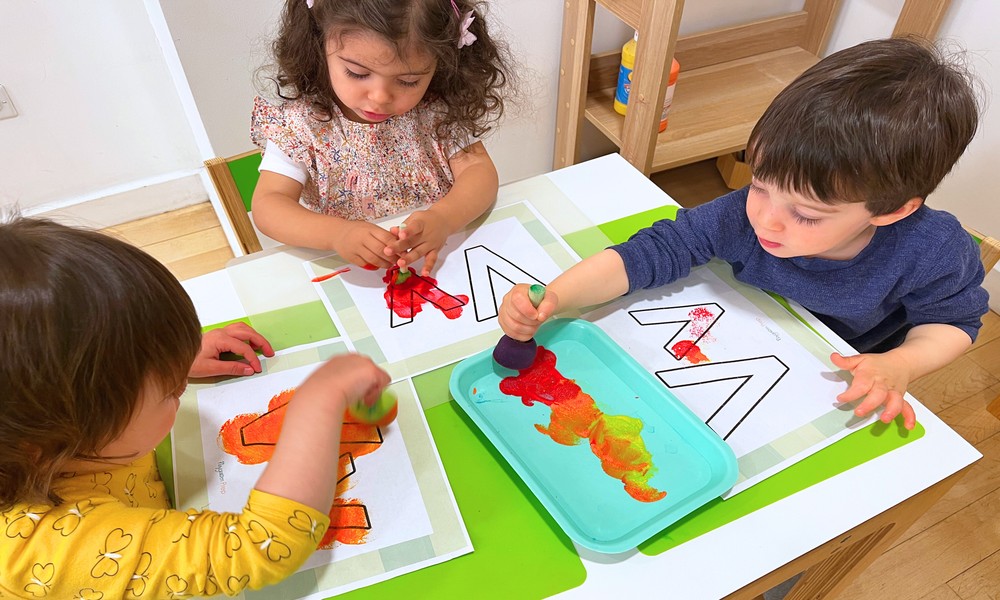

Kindergarten is a completely new environment, so the first day can be exciting but maybe also stressful for both kids and their parents. The same question comes up when school is concerned: Is my child school ready?
Only a good kindergarten readiness checklist will answer the question. Helps parents understand what skills children need to develop before they enter a classroom environment.
Why Kindergarten Readiness Is Important?
Arranged learning, mingling with others, and everyday schedules sure to kindergarten. And kids who feel ready tend to have an easier time getting settled the first few months of school.
The search for a kindergarten readiness checklist focusing on more than academics. This also involves the emotional, social, and physical development.
Choosing school readiness gives children the confidence and security of a new environment.
Communication Skills Children Should Practice
Good communication enables children to ask for their needs, follow instructions, and engage in activities within the classroom.
One-way parents can prepare for that moment is by completing a kindergarten readiness checklist to see if a child is able to:
- Speak clearly in short sentences
- Understand simple directions
- Ask for help when needed
- Recognize familiar words
- Listen during conversations
Take time to read audio books daily. Nothing beats the vocab and listening skills which you learn from reading books − Aloud.
Encouraging Social Interaction
For this reason, classrooms force children to collaborate. Another crucial component in school success which is social readiness.
Children should learn how to:
- Share with classmates
- Wait patiently for their turn
- Follow group rules
- Respect personal space
- Handle simple disagreements calmly
These are the basics that children use to develop friendships and be a part of others’ lives.
Daily Routines Build Confidence
Owning bedtime and morning routines primes kids for independence in the lead-up to school.
In general, a full kindergarten readiness checklist usually looks for basic daily living skills such as:
- Packing a backpack
- Washing hands properly
- Eating meals independently
- Using the restroom without help
- Putting away toys after playtime
After all, you have been equipped with some of these responsibilities that help you prepare for school at home allowing you to feel less anxious when you actually do go to school!
Early Academic Readiness
Advanced academic skills are not necessary for children to enter kindergarten. That being said, a primitive level of learning capabilities is beneficial.
For example, you can ask parents to motivate them for early learning games, songs, and simple activities.
Helpful beginner skills include:
- Counting basic numbers
- Recognizing letters
- Identifying shapes and colors
- Holding pencils correctly
- Drawing simple pictures
Formal lessons at this age often yield poorer returns than play-based learning.
Physical Skills Matter Too
A hands-on, active, movement-based environment in kindergarten classrooms. Physical development supports classroom participation.
For example, check motor skills Like a good kindergarten readiness checklist might include:
Puzzles, drawing, outdoor play, and other activities that build these skills are good to add in naturally.
Final Thoughts
There is no perfect timeline for learning as every child develops differently. A good kindergarten readiness checklist just lends the hand of adults to assist students as they move toward life and learning development.
And with guidance, practice, and positive reinforcement, kids can enter kindergarten ready and energized by the new adventures ahead.
