

Children today face new challenges in social situations. Many struggle to express themselves clearly or feel nervous speaking to others. Parents are turning to speech and drama classes as a solution that works.
The Growing Need For Social Skills Development
Social skills don’t develop naturally for every child. Some find it hard to make friends, join conversations, or speak up in class. These challenges can affect their confidence and learning.
Modern life gives children fewer chances to practise social skills. Screen time has replaced many face-to-face interactions. Children need structured ways to learn these vital abilities.
Speech and drama programmes offer exactly what parents are looking for. They provide a safe space where children can practise being social. The results often surprise both parents and teachers.
How Speech And Drama Classes Work
These classes combine acting, speaking, and creative play. Children learn through games, role-play, and simple performances. The focus stays on having fun whilst building skills.
Teachers guide children through different scenarios and characters. This helps them understand emotions and reactions. They learn to read body language and respond appropriately.
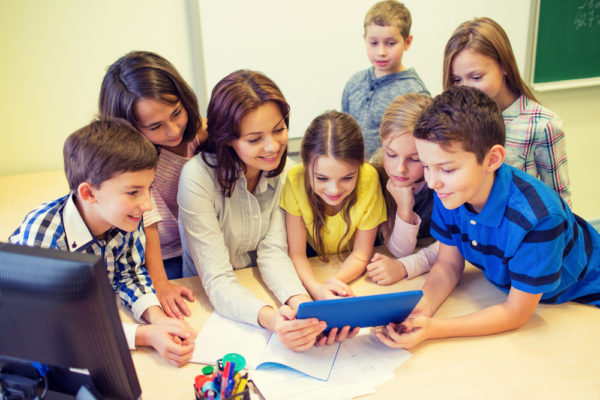
The group setting means children practise with peers. They take turns, listen to others, and work together. These are the building blocks of good social skills.
Building Confidence Through Performance
Many shy children blossom in speech and drama classes. Acting gives them permission to be different people. This helps them find their own voice and personality.
Performance work builds confidence gradually. Children start with simple exercises and progress to longer pieces. Each small success makes them feel more capable.
The supportive environment means children feel safe to try new things. They learn that making mistakes is normal and helpful. This reduces fear of social situations outside class.
Developing Communication Skills
Clear speech is just the beginning of good communication. Children learn to project their voice and speak with expression. They discover how tone and pace affect their message.
Listening skills improve alongside speaking abilities. Drama exercises teach children to pay attention to others. They learn to wait for their turn and respond thoughtfully.
Non-verbal communication becomes clearer too. Children understand how posture, gestures, and facial expressions send messages. These skills transfer directly to everyday interactions.
The Role Of Creativity In Social Learning
Creative activities make learning social skills enjoyable. Children don’t feel like they’re being taught or corrected. They’re simply playing and exploring different ways of being.
Imagination helps children understand different perspectives. When they play various characters, they see how others might think or feel. This builds empathy and understanding.
The creative process also teaches problem-solving. Children learn to work together to create scenes or solve character challenges. These skills help in real social situations too.
Working Together In Group Activities
Group work is central to speech and drama classes. Children must cooperate, share ideas, and support each other. These are exactly the skills they need for friendships.
Taking turns becomes natural through these activities. Children learn to give others space whilst waiting for their moment. This patience helps in conversations and group situations.
Leadership skills often emerge during group work. Some children discover they enjoy organising others or taking charge. This confidence carries over into school and social settings.
Long-Term Benefits For Social Development
The skills learned in speech and drama classes last well beyond childhood. Many parents notice improvements in their child’s overall confidence. School teachers often comment on better classroom participation.
Children who attend these classes tend to make friends more easily. They’re better at starting conversations and joining group activities. The fear of speaking up reduces significantly.
These benefits often continue into teenage years and beyond. Young people who’ve had speech and drama training cope better with presentations. They’re more comfortable in social situations and job interviews.
