

Mathematics is often taught as culture-neutral and disconnected from lived experience. Yet many of the mathematical concepts used today are rooted in ancient civilizations across the globe. Reexamining these origins offers educators an opportunity to teach mathematics with greater relevance, purpose, and equity.
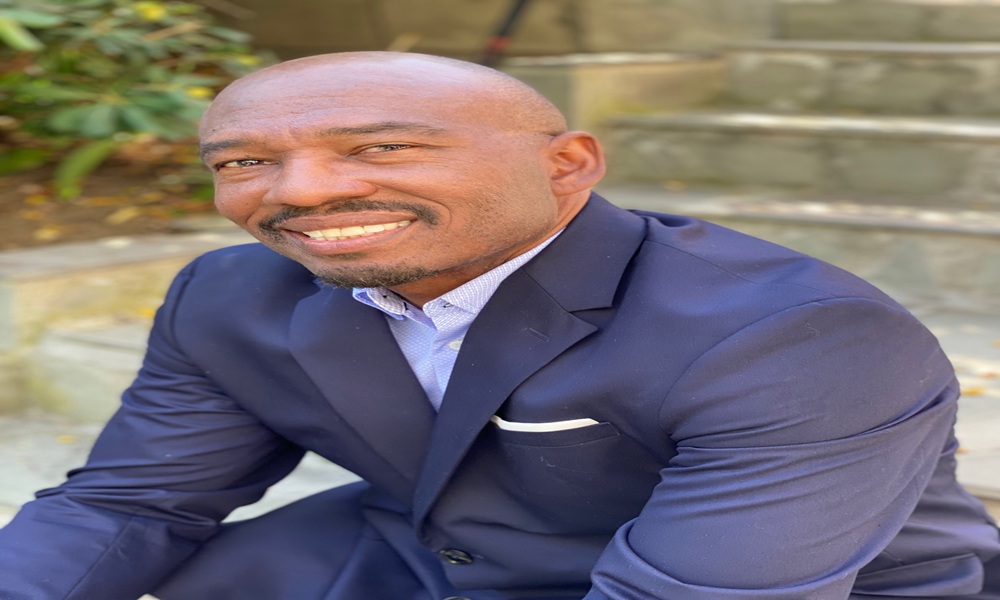
Educator and equity-focused instructional leader Lybroan James is leading important conversations around ethnomathematics—an approach that centers cultural knowledge, history, and identity in mathematics instruction. Drawing from civilizations such as ancient Egypt, the Mayans, and other global cultures, ethnomathematics highlights how mathematics has always been shaped by human experience.
Through his work, James emphasizes the importance of rehumanizing mathematics classrooms by connecting mathematical concepts to culturally rooted practices. These approaches help students see themselves in the curriculum while deepening conceptual understanding of foundational operations such as addition, subtraction, and multiplication.
With more than 30 years of experience in middle and high school mathematics education, James has dedicated his career to improving instructional practice and outcomes for students. His equity-centered leadership has supported significant academic gains and strengthened professional learning for educators across the country. He has coached mentors across dozens of schools and designed professional learning experiences impacting tens of thousands of educators nationwide.
James is a graduate of UCLA, where he earned a Bachelor of Science in Mathematics/Economics, and Harvard University’s Graduate School of Education. His work bridges academic rigor with lived experience, reflecting a deep commitment to addressing systemic inequities in education.
Through STEMulate Solutions, James continues to support educators and school communities in teaching mathematics as a tool for empowerment, critical thinking, and future-building. His work challenges educators to move beyond procedural instruction and toward learning environments that honor culture, identity, and brilliance.
Rehumanizing mathematics is not about changing standards—it is about changing perspective. When students see mathematics as connected to history, culture, and real-world meaning, learning becomes more engaging, inclusive, and transformative.
