
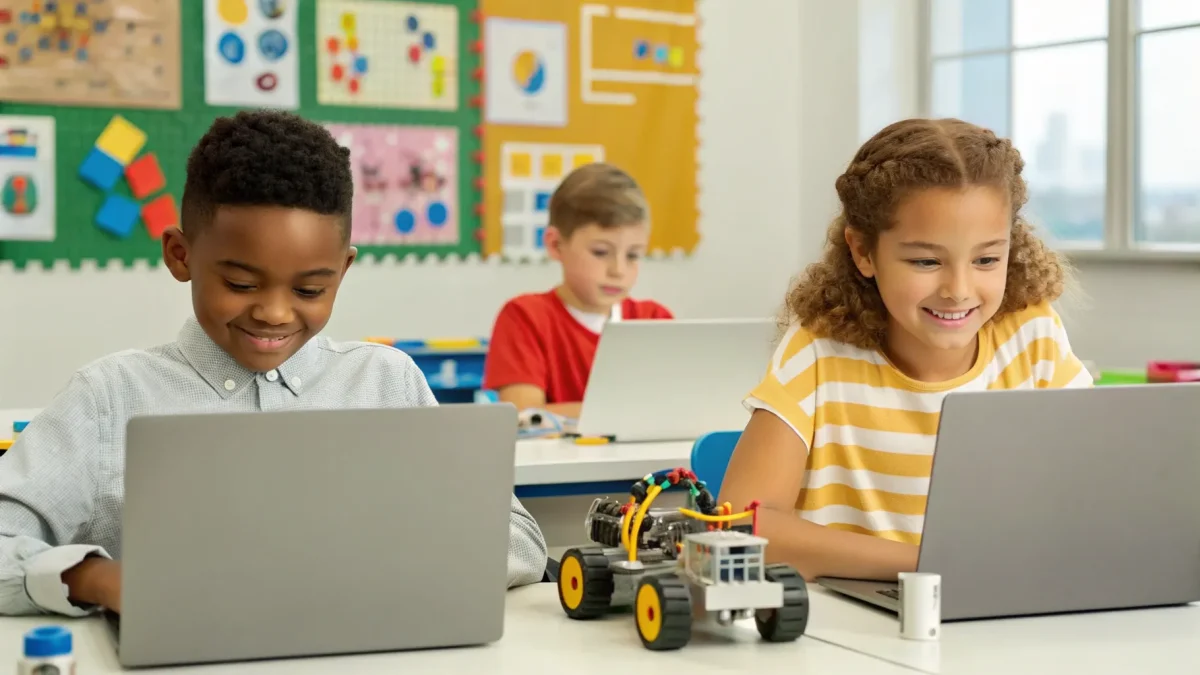

Technology now shapes modern elementary learning spaces. Young learners show deep curiosity during science exploration. Digital tools can support playful discovery and active thinking. The classroom becomes lively with guided digital experiences. But careful planning keeps technology meaningful for children. Simple tools often create strong learning moments. Teachers guide discovery through creative digital resources. The learning process becomes interactive and exciting. Sometimes technology turns basic lessons into vivid experiences. Students connect ideas through images sounds and simulations.
Creating Interactive Learning Experiences
Visual models help children understand difficult concepts. The learning process becomes easier when digital visuals show patterns and relationships clearly. Students explore simulations that demonstrate motion energy and environmental changes. But clear instructions guide young learners toward thoughtful experimentation. Guided interaction builds strong conceptual understanding. Children observe results from actions within digital environments. Curiosity grows when digital experiments show instant feedback. The classroom becomes an active exploration space. The phrase top stem activities for elementary classes often appears in modern teaching discussions. Teachers use simple digital games that reinforce scientific thinking. Sometimes interactive platforms like mission.io support imaginative problem-solving during STEM learning missions.
Supporting Collaboration Through Technology
Collaboration strengthens learning during STEM exploration. Digital tools help groups share ideas clearly. The shared experience builds communication skills naturally. But guided collaboration keeps young learners focused on learning goals. Digital storytelling encourages group creativity. Children build simple solutions together within structured digital environments. The learning process becomes social and engaging. Teachers observe deeper understanding during group technology tasks. Sometimes platforms such as mission.io encourage teamwork through exciting exploration scenarios.
Encouraging Creativity and Exploration
Creativity grows when technology meets imagination. Children design simple models through digital drawing tools. Interactive environments allow students to test imaginative solutions. The process encourages creative thinking and observation skills. But structured guidance ensures meaningful exploration. Teachers present open questions that spark curiosity. Digital storytelling tools help learners express scientific ideas clearly. The classroom becomes a creative learning studio.
Balancing Technology with Hands on Learning
Balanced teaching keeps learning meaningful and active. Physical experiments remain important for young learners. The classroom experience blends digital tools with real materials. Students observe plants water magnets and simple machines. But technology helps explain patterns within those observations. Visual simulations clarify scientific processes that remain invisible in real experiments. Teachers guide reflection after each exploration activity. Children connect digital learning with physical experiences. Sometimes mission.io activities support reflection after collaborative missions. Balanced instruction creates deeper understanding across subjects. The learning environment stays active thoughtful and joyful.
Conclusion
Effective teaching always centers on curiosity and exploration. Students learn best through guided creative experiences. Teachers blend digital tools with physical discovery activities. The result becomes a dynamic learning environment. Young learners build curiosity confidence and problem-solving skills. Technology then becomes a meaningful partner in elementary STEM education.
