
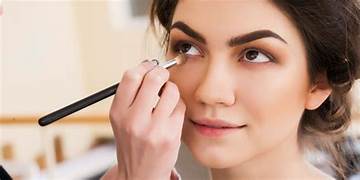

Discover the World of Makeup: What to Expect at a Makeup Academy
The Evolution of Makeup Artistry: From Ancient Times to Modern Techniques
The art of makeup has been an integral part of human expression for thousands of years, with its origins tracing back to ancient civilizations such as Egypt, India, and Greece. Historically, makeup served not just aesthetic purposes, but also cultural, spiritual, and social functions. For instance, in ancient Egypt, both men and women adorned their faces with kohl to enhance their eyes and protect them from the sun’s glare while simultaneously offering healing properties. As we moved through the ages, the Renaissance brought about a surge in makeup evolution, where societal standings were often reflected in one’s makeup choices pastel shades became fashionable among the elites, while the working class opted for more subdued tones. In the modern era, makeup artistry has transformed dramatically, influenced by advances in cosmetic science, societal values, and popular culture. The introduction of brands such as Estée Lauder and L’Oréal in the early to mid-20th century revolutionized the accessibility and marketing of makeup. The rise of beauty influencers and digital platforms has further democratized makeup learning, leading to a plethora of techniques, styles, and standards that cater to diverse populations. At a makeup academy, you will learn not only the fundamentals of applying makeup but also the historical contexts behind various styles, enabling you to craft looks that resonate with both your clients and the larger narrative of beauty through the ages.
Curriculum Highlights: Essential Skills You’ll Learn in a Makeup Program
Enrolling in a makeup program academy means diving into a rich curriculum designed to build a robust foundation in makeup artistry. The essential skills covered typically include color theory, which is paramount for understanding how different hues interact with skin tones and how to create complementary looks. Knowledge about face shapes and features is also vital, as it guides artists in customizing looks that enhance an individual’s unique features. Skin analysis is another critical area of study, as each skin type demands specific products and techniques. You’ll also delve into the application and blending of various mediums, from liquid foundations to powder contours, ensuring mastery in achieving natural finish looks or high-impact glamour styles. Additionally, sanitation and hygiene practices will be emphasized, as maintaining a clean workspace and using sanitized tools are essential in fostering client trust and safety. Moreover, the curriculum will often include specializations in trending techniques such as airbrush makeup, which allows for a flawless application that is especially popular in photography and film. This comprehensive approach ensures that as a graduate, you are well-equipped not just with skills, but with the confidence to adapt your artistry to meet the ever-evolving demands of the beauty industry.
Tools of the Trade: Essential Makeup Products and Equipment
As you embark on your journey in a makeup program, familiarizing yourself with the essential tools and products is crucial. Typically, a well-rounded makeup kit will include various brushes, sponges, and applicators, each designed for specific purposes from blending foundation to applying eyeshadow. High-quality brushes are an investment, with options like synthetic versus natural bristles influencing application methods and finish. Understanding the anatomy of a brush and the purpose of each type the angular brush for contouring, the flat brush for packing on color is foundational knowledge that will serve you throughout your career. In addition to brushes, you’ll work with an array of products ranging from primers and foundations to eyeshadows and lipsticks. Knowing how to select products based on ingredients, skin types, and desired outcomes elevates your artistry to a professional level. As a makeup artist, you’ll also be trained to recognize the importance of tools such as eyelash curlers, tweezers, and beauty blenders, which enhance the application process and the overall outcome. Beyond the application tools, a good makeup kit should include a diverse range of cosmetics to cater to different skin tones, occasions, and client needs. From matte to dewy finishes, from bold pigments to subtle hues, understanding the formulation and functionality of these products allows you to tailor your work seamlessly to fit each unique situation you encounter as an artist.
Finding Your Niche: Specializations Within Makeup Education
Bridal Beauty: Crafting Timeless Looks for the Big Day
Bridal makeup is a highly specialized branch of the beauty industry that requires a deep understanding of both artistry and emotional sensitivity. From the moment a bride books her makeup artist, there is often an expectation not only for expertise but for a personal connection and trust. The role of a bridal makeup artist extends beyond the application of cosmetics; it is about understanding each bride’s vision for her big day. Courses focused on bridal makeup teach how to enhance the bride’s individual beauty while ensuring that the look lasts throughout the day’s emotional highs and lows. Techniques such as airbrush application are often highlighted, as they provide a long-lasting and photogenic effect, which is essential during both the ceremony and reception. Additionally, learning how to curate bridal looks entails staying abreast of trends, preferences, and cultural rituals. Artists may explore various themes and styles from classic and romantic to bold and contemporary enabling them to create customized looks that reflect the bride’s personality and wedding theme. Practical workshops often simulate real-world scenarios, where students practice on various skin types and face shapes to perfect their abilities in this intricate niche.
Fashion Forward: The Role of Makeup in High-End Fashion Shows
The intersection of makeup artistry and high fashion is a vibrant and fast-paced arena that offers exciting opportunities for those with a passion for creativity. Fashion shows are a platform for showcasing the latest trends, and makeup plays a pivotal role in setting the tone and mood for the entire presentation. As part of your training in a makeup academy, you will quickly learn that mastering editorial makeup techniques involves not only skill but also a keen understanding of the story each collection aims to tell. Here’s where understanding the synergistic relationship between fashion and makeup becomes essential. Techniques learned in makeup school will empower you to create looks that are bold, avant-garde, and daring, often pushing the boundaries of conventional beauty standards. This may include using non-traditional colors, dramatic contouring, or unconventional materials, such as glitter or gemstones, seamlessly integrated into a look. Moreover, working in this realm often requires collaboration with designers, stylists, and other creatives, emphasizing the importance of effective communication and teamwork. Students may participate in live fashion events or collaborate on themed photo shoots, providing practical experience that hones both their artistry and their professional networks. As trends change rapidly in the fashion world, your training will also include how to adapt and innovate, ensuring you stay relevant and sought after in a highly competitive field.
Special Effects and Beyond: Diving Into Creative Makeup Techniques
Diving into special effects makeup can be both thrilling and intellectually stimulating, appealing to those with a penchant for creativity and technology. This area of makeup artistry encompasses techniques used in film, theater, and television, often translating complex visions and narratives into reality on screen. Makeup academies frequently integrate these skills into their curriculum, providing in-depth training on creating realistic effects such as wounds, aging, and fantasy creations. Students will learn techniques involving the use of prosthetics, silicone, and various textural materials to create lifelike results. Understanding the chemistry behind materials is another critical aspect, as certain materials respond differently to skin types, lighting, and camera work. Additionally, color composition and shading become vital skills, as they allow for the seamless integration of special effects with the actor’s features and lighting setup. Courses often involve practical applications, where students design their own characters or enhancements for imaginative scenarios, thus encouraging the fusion of traditional makeup skills with inventive artistry. Exposure to the special effects makeup industry can ferry students towards fulfilling careers in blockbuster films, high-profile commercials, or even theme parks like Disneyland, where daily magic is created through makeup and artistry.
From Classroom to Catwalk: Real-World Applications of Your Skills
Building Your Portfolio: Showcasing Your Unique Style and Talent
Transitioning from the structured environment of a makeup academy to the real world requires not only skills, but also the ability to market yourself effectively. A well-curated portfolio is an artist’s most powerful tool in showcasing their range, creativity, and personal style. In the age of social media, the importance of a visually compelling portfolio cannot be overstated. Students should begin building their portfolios during their training, capturing their work through high-quality photographs that reflect the details and nuances of their applications. It is essential to include a variety of looks that demonstrate versatility this may range from bridal and editorial looks to special effects and costume makeup. The inclusion of before-and-after images also offers potential clients a clear perspective on your transformative capabilities. Moreover, understanding digital presentation is key in an industry increasingly dominated by online interactions. Creating a personal website or using platforms like Instagram or Behance enables you to showcase your work while also engaging with a broader audience. Regularly updating your portfolio with new work and trends can help maintain an element of freshness that is vital in attracting clients who are always on the lookout for innovative artistry.
Networking in the Industry: Making Connections That Matter
In the beauty industry, networking plays a pivotal role in advancing one’s career. The connections you make during your time at a makeup program academy and beyond can lead to invaluable opportunities. From collaborating with fellow students on creative projects to forming professional relationships with industry veterans, each interaction has the potential to hold significance. Attending industry events, beauty conventions, and makeup expos can provide a platform for networking while allowing you to learn about the latest tools, techniques, and trends. Such gatherings also facilitate easy introduction to potential mentors, clients, and collaborators. Don’t underestimate the power of social media; platforms like LinkedIn can be beneficial for professional networking, while Instagram remains a visual showcase for your work, enabling industry professionals to discover you. Moreover, mastering the art of networking involves ongoing engagement and relationship-building. Following up with contacts, participating in collaborative projects, and even offering your makeup services for charitable events can reinforce connections and expand your professional circle. These networks can lead to freelance gigs, permanent positions, or even personal referrals, all crucial for establishing a thriving career in makeup artistry.
Catching the Eye of Influencers: Strategies for Success in the Digital Age
The rise of digital platforms has transformed the landscape of makeup artistry significantly. Influencers and content creators have become pivotal in shaping cosmetic trends and fostering public interest in beauty products and techniques. For aspiring makeup artists, developing a presence on these platforms is essential for building a brand and reaching potential clients. To catch the eye of influencers, it is vital to understand how to curate content that is not only visually appealing but also aligns with the stylistic preferences of your target audience. High-quality video tutorials, behind-the-scenes glimpses of your work, and makeup transformations can attract engagement. Collaborating with influencers can also expand your reach; starting small by offering services for local influencers allows you to showcase your talent in their content, thus tapped into their audience as well. Moreover, mastering SEO (Search Engine Optimization) for your online content, including your website and social media platforms, can help increase your visibility. Utilizing relevant hashtags, keywords, and geo-tags can draw attention to your work, driving traffic to your profiles. As you hone your marketing strategies, remember that authenticity and relatability often elevate engagement. By sharing your journey, struggles, and successes, you build a storytelling aspect that resonates with viewers, facilitating greater connections with your audience and potential clients alike.
Life After Graduation: Navigating Your New Career in Makeup Artistry
Freelancing vs. Employment: Weighing Your Options in the Makeup World
As you step into the makeup industry post-graduation, one of the primary decisions you’ll face is choosing between freelancing and seeking employment with a beauty establishment or agency. Each path comes with its distinct benefits and challenges, and understanding them can help you make an informed decision. Freelancing offers autonomy and flexibility, allowing you to choose your clients, set your schedule, and establish your rates. This path can enable you to cultivate a unique style, experiment with artistic boundaries, and manage your workload according to your personal goals. However, it requires significant self-discipline, rigorous networking, and marketing efforts to build and sustain a client base. Moreover, dealing with the unpredictability of income can be daunting. On the other hand, working with a beauty house or agency provides a more structured environment, often accompanied by a steady paycheck, benefits, and mentorship opportunities. Employment allows you to gain experience in high-demand settings, collaborating with seasoned professionals and honing your skills under different circumstances. Roles such as a salon artist or a freelance celebrity makeup artist provide exposure to diverse clientele and high-profile projects, which can be advantageous for future career advancements. Ultimately, the decision should align with your career aspirations, lifestyle preferences, and personal circumstances.
The Power of Continuous Learning: Staying Ahead in Makeup Trends
The beauty industry is ever-evolving, with trends emerging and fading at a rapid pace. For makeup artists, the ability to stay updated with these changes is crucial for longevity in their careers. Continuous learning can take various forms, from attending workshops and makeup classes to following trendsetters on social media platforms. Established brands regularly release new products and techniques, making it beneficial for artists to engage with educational resources that keep them informed. Moreover, gaining certifications in specific areas, such as airbrush, special effects, or bridal makeup, can enhance your credibility and attract a wider client base. Many makeup academies offer advanced workshops even post-graduation, which provide a great opportunity for alumni to refine niche skills and expand their portfolios. Online masterclasses conducted by industry experts and influencers can also facilitate ongoing education. Participating in these can open pathways to innovative techniques that you can incorporate into your own artistry. Networking during these events can further encourage collaboration with other passionate artists, leading to inspiration and mutual growth.
Building a Brand: Marketing Yourself as a Makeup Artist
In today’s visually-driven market, effective self-marketing is essential for establishing yourself as a makeup artist. Building a personal brand involves not just about showcasing your skills, but also creating a cohesive visual identity that represents your artistry and vision. Your online presence, such as your website and social media profiles, should reflect your artistry while conveying your unique personality. Engaging content, such as tutorial videos, before-and-after images, and product reviews can help you amplify your presence. Using strategic SEO tactics can also boost your visibility online. Leveraging collaborations with other professionals can further expand your reach, exposing you to new audiences and potential clients. As you develop your brand, be sure to stay authentic to your style and vision. Authenticity fosters trust and connection with your audience, ultimately leading to deeper client relationships. It represents your artistry and ethos, setting you apart in a competitive industry. As you grow, you may also consider diversifying your income sources through affiliate marketing, launching signature products, or offering classes, creating a myriad of opportunities to express your creativity and connect with the beauty community.
