
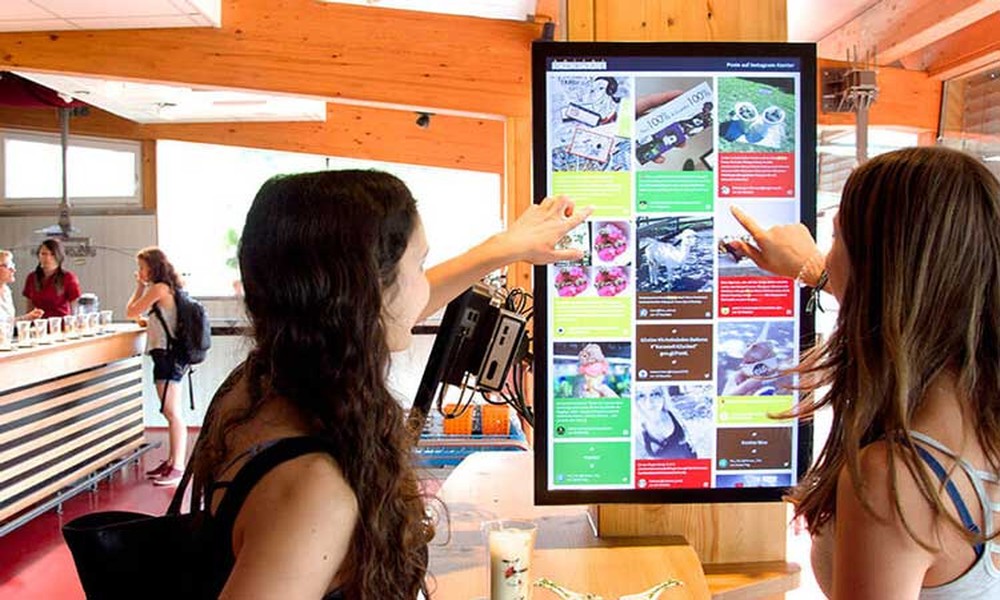

Tackboard and bulletin board systems serve persistent visual communication functions in commercial offices, educational facilities, and healthcare environments that digital display systems cannot fully replace. Physical posting of schedules, compliance notices, project timelines, and reference materials on accessible tackboard surfaces provides a communication channel that does not require device access or screen attention.
OSHA posting requirements, fire safety notices, employee rights postings, and labor law notices that must be displayed in accessible locations in commercial facilities are typically mounted on dedicated compliance boards, making an accessible tackboard installation a regulatory necessity in most workplaces rather than merely a convenience.
What Fabric Types Affect Tackboard Performance and Longevity
Woven fabric surfaces in natural and synthetic fibers provide different pin retention, cleanability, and aesthetic qualities. Natural burlap surfaces are the most traditional specification but show wear and discoloration at higher rates than solution-dyed synthetic fiber alternatives. Solution-dyed fabrics, where color is integral to the fiber rather than applied as a surface treatment, resist fading from UV exposure and cleaning chemical contact more effectively than surface-dyed alternatives.
Tackboard fabric selection should coordinate with the broader interior palette of the space and with the finish of adjacent whiteboard or visual display systems. Manufacturers who produce matched fabric and board frame finish specifications simplify the coordination work required to achieve a coherent visual presentation across a wall system.
How Custom-Sized Boards Address Non-Standard Wall Configurations
Standard commercial display board sizes accommodate most conventional office configurations, but architectural features including angled walls, column interruptions, and door or window placements often create wall sections where standard dimensions produce awkward edge conditions. Working with commercial whiteboards and display boards suppliers that offer custom sizing and cut-to-fit options eliminates these aesthetic compromises without requiring architectural modifications to wall configurations.
What Framing Systems Are Available for Commercial Display Products
Aluminum extrusion frames in anodized and powder-coated finishes are the standard framing system for commercial display boards, providing structural integrity, clean edge presentation, and finish durability. Frameless designs with finished edges are available for installations where the board is intended to integrate seamlessly with surrounding wall materials.
How Display Board Systems Support Wayfinding and Communication in Healthcare
Healthcare facility patient communication boards, staff scheduling boards, and unit status displays serve critical communication functions in clinical environments. Display systems in healthcare must meet infection control requirements for cleanability and must be mounted at accessible heights for patients with mobility limitations.
Tackboard and bulletin board systems serve communication functions that are not replicated by digital alternatives and that are regulatory requirements in most commercial workplaces. Fabric quality, frame finish durability, size flexibility, and coordination with adjacent visual display products are the specification variables that differentiate installations that maintain their communication function and aesthetic quality over extended service periods.
