
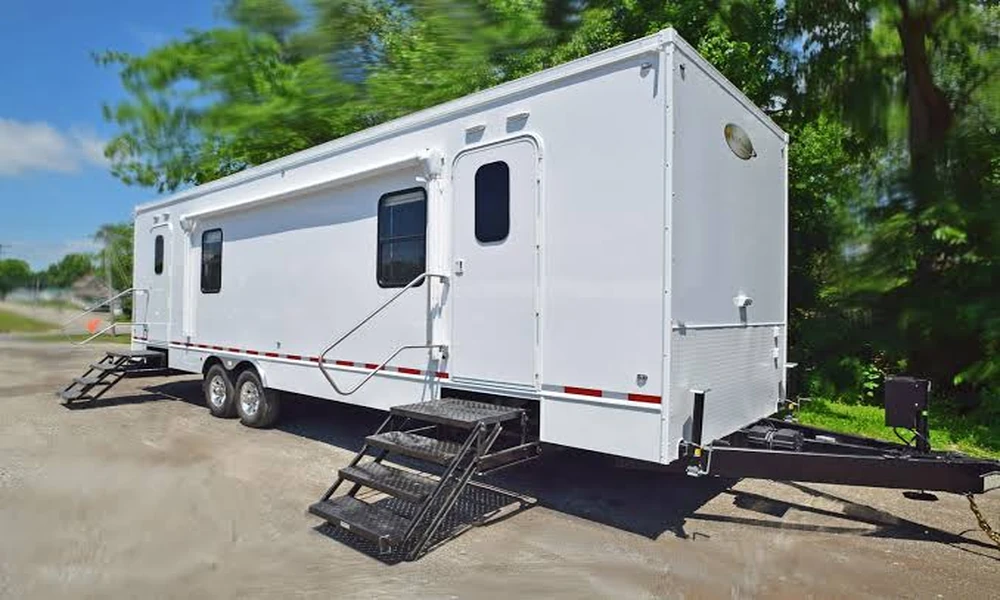

Emergency command trailers are an essential part of the disaster response team’s resources for disaster and public safety response coordination. These mobile units are not just meant to be workspaces. They must be able to communicate, make decisions, use technology and work in a team in difficult settings. With careful planning, emergency command trailers can be ensured to be reliable and effective when they are needed.
To ensure these mobile units can withstand severe operational stress, agencies often refer to a comprehensive Command Trailers Built Resilient Response Guide when evaluating their field readiness. Following structured guidelines allows emergency planners to assess structural durability, technological capacity, and power independence long before a disaster strikes. By applying these key principles early in the planning phase, response teams can transform a basic mobile unit into a reliable, mission-critical hub for field control.
Prioritise Reliable Communication
Communication is critical for effective emergency response. Multiple modes of communication, such as radio systems, satellite communications, cellular communications, and other available technologies, should be incorporated into command trailers. It is good practice to have alternative means of communication in case one system fails.
Design for various conditions.
Emergency operations can occur under extreme heat, heavy rain, strong wind or other challenging weather conditions. The trailer should be made with a sturdy material, proper insulation, air conditioning and protection for any sensitive items. A resilient structure enables teams to operate for more extended periods.
Design an efficient interior layout.
The interior design should facilitate quick decision-making and collaboration. Communication equipment, display screens, storage areas, meeting spaces, and workstations should be arranged logically. A good layout can minimise the amount of unnecessary movement and convey important information easily to those on duty.
Include Backup Power Systems
During an emergency situation, power outages can have a great impact. Reliable power systems and appropriate back-up power should be part of the package on command trailers. Access to conventional electricity may be limited, and this can be overcome using generators, battery storage and other power solutions to keep essential equipment running.
Support Modern Technology
Technology is becoming an increasingly critical tool for field control in modern times. Computers, mapping systems, video feeds, data networks, surveillance systems and other digital tools may require emergency command trailers. Good connectivity and capacity for equipment can enable teams to track fluctuations more effectively and coordinate more efficient responses.
Plan for Mobility and Deployment.
A command trailer has to be usable and can be easily moved and set up. When planning, it is important to take into account the size, weight, towing requirements, access points and set-up procedures. The quicker a unit can be transported and made operational, the more useful it can be during time-sensitive emergencies.
Develop a security and equipment protection plan.
Communication equipment and sensitive information can require protection against unauthorised access and damage. Operational security can be maintained through secure storage, controlled access, protective systems and protective equipment housing.
Regularly Test and Maintain the Trailer
Any command trailer, no matter how advanced, can be rendered ineffective if it is not properly maintained. Equipment tests, software updates, power checks, and regular inspections are ways to anticipate emergencies before they happen and staff training.
Conclusion:
Finally, creating a resilient emergency command trailer goes beyond the inclusion of cutting-edge technology. Effective field control is achieved with communication, mobility, power reliability, environmental protection, interior organisation, security and regular maintenance. Having a mobile command centre that can be utilised during the most difficult times and can assist in making quick decisions and coordinating more effectively with other organisations during emergency response in the event of operational changes, or current operational demands.
